ADVERTISEMENT
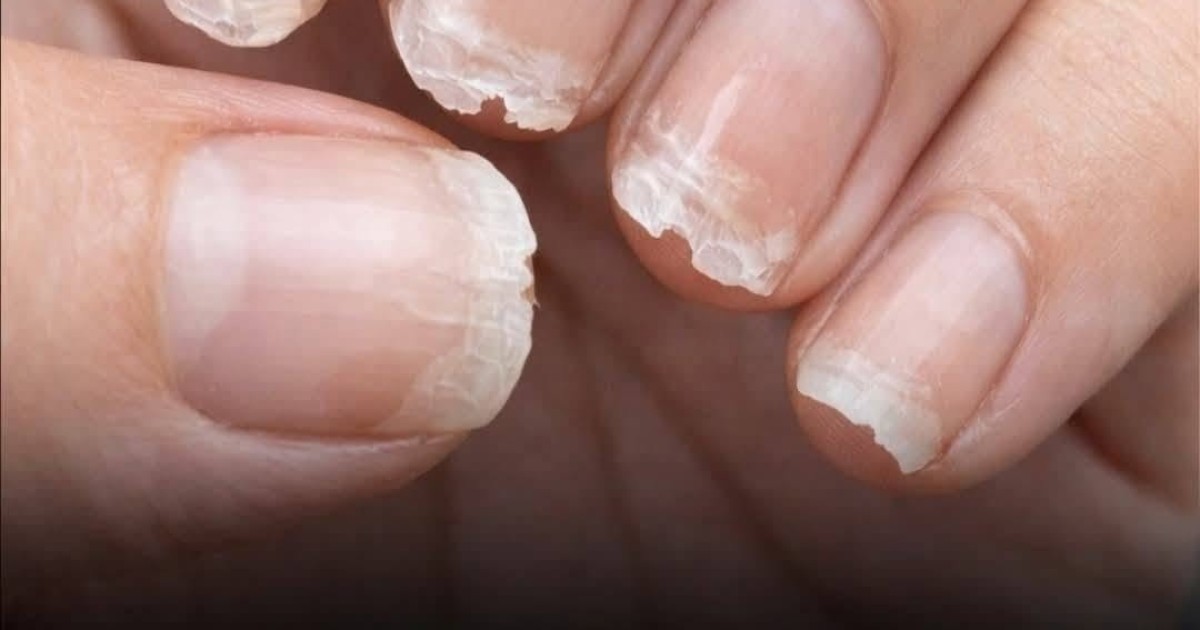
Brittle nails may seem like a minor cosmetic problem, but they can reveal much more about your overall health. If your nails crack, split, peel, or break after the slightest impact, your body could be signaling that something is missing.
In this guide, you’ll discover the most common causes of brittle nails, how to strengthen them naturally, and when it’s time to seek medical advice.
Why Are My Nails So Brittle?
Your fingernails are made primarily of keratin, a tough protein that also forms your hair and the outer layer of your skin. As nails grow, they preserve a record of your body’s nutritional status and overall health.
If your nails suddenly become weak, peeling, or unusually soft, your body may be trying to warn you.
1. Nutrient Deficiencies
One of the leading causes of brittle nails is inadequate nutrition.
Common deficiencies include:
- Iron deficiency – Often associated with spoon-shaped nails and chronic fatigue.
- Biotin (Vitamin B7) – Supports keratin production and nail strength.
- Vitamin D – Essential for healthy cell growth.
- Zinc – Helps repair damaged nail tissue.
- Protein deficiency – Nails are mostly protein, so inadequate intake weakens their structure.
2. Frequent Exposure to Water and Chemicals
Repeated hand washing, cleaning products, detergents, and alcohol-based sanitizers can strip nails of their natural moisture.
- Peeling
- Splitting
- Dryness
- Cracking
Wearing protective gloves while cleaning and regularly applying moisturizer can help prevent damage.
3. Aging
As we age, nail growth naturally slows.
- More brittle
- Thicker or thinner
- More likely to split
While aging cannot be prevented, proper nail care and nutrition can minimize these changes.
4. Stress and Chronic Fatigue
High stress levels affect nearly every part of the body—including your nails.
- Slow nail growth
- Increase breakage
- Contribute to nutrient depletion
- Trigger unhealthy habits like nail biting
Managing stress through quality sleep, exercise, and relaxation techniques supports healthier nail growth.
5. Medical Conditions
Possible causes include:
- Thyroid disorders
- Iron-deficiency anemia
- Psoriasis
- Eczema
- Diabetes
- Circulatory problems
If nail changes occur alongside fatigue, weight changes, hair loss, or other unusual symptoms, consult a healthcare professional.
Signs Your Nails May Be Trying to Tell You Something
Pay attention if you notice:
- Nails breaking easily
- Peeling layers
- Deep ridges
- White spots that persist
- Spoon-shaped nails
- Yellow discoloration
- Thickened nails
- Slow nail growth
While many of these symptoms are harmless, persistent changes deserve medical evaluation.
How to Strengthen Brittle Nails Naturally
Improving nail health often starts with small daily habits.
Eat More Protein
Protein provides the building blocks needed for stronger keratin production.
Good sources include:
- Chicken
- Fish
- Eggs
- Greek yogurt
- Lentils
- Beans
Stay Hydrated
Dehydration affects both skin and nails.
Aim to drink enough water throughout the day to support healthy cell function.
Moisturize Your Nails
Apply hand cream or cuticle oil daily to reduce dryness and prevent splitting.
Look for products containing:
- Shea butter
- Vitamin E
- Jojoba oil
- Glycerin
Avoid Harsh Nail Products
Frequent use of:
- Acetone removers
- Acrylic nails
- Gel manicures
- Strong adhesives
can weaken the nail plate over time.
Giving your nails regular breaks helps restore their strength.
Consider Biotin Supplements
Some studies suggest biotin supplements may improve nail thickness and reduce brittleness in people with deficiencies.
Always speak with your healthcare provider before starting any supplement.
When Should You See a Doctor?
Seek medical advice if you experience:
- Sudden severe nail changes
- Nails separating from the nail bed
- Pain or swelling
- Persistent discoloration
- Repeated infections
- Nail changes accompanied by fatigue, dizziness, or unexplained weight changes
Early diagnosis can help identify nutritional deficiencies or underlying health conditions.
Frequently Asked Questions
What vitamin deficiency causes brittle nails?
Iron, biotin (Vitamin B7), zinc, and vitamin D deficiencies are among the most common nutritional causes.
Can dehydration make nails brittle?
Yes. Inadequate hydration contributes to dry, weak nails that split more easily.
How long does it take to strengthen nails?
Since fingernails grow slowly, noticeable improvement usually takes 3 to 6 months after addressing the underlying cause.
Are brittle nails always a sign of illness?
No. Frequent exposure to water, aging, harsh chemicals, and poor nail care are common non-medical causes. However, persistent nail changes should be evaluated by a healthcare professional.
Final Thoughts
Your nails are more than just a cosmetic feature—they can provide valuable clues about your overall health. Brittle, peeling, or weak nails often reflect nutritional deficiencies, excessive exposure to moisture and chemicals, chronic stress, or medical conditions that deserve attention.
By eating a nutrient-rich diet, protecting your hands, staying hydrated, and practicing good nail care, you can support stronger, healthier nails over time. If nail problems persist despite these changes, don’t ignore them—consult a healthcare professional to identify the underlying cause.
ADVERTISEMENT
