ADVERTISEMENT
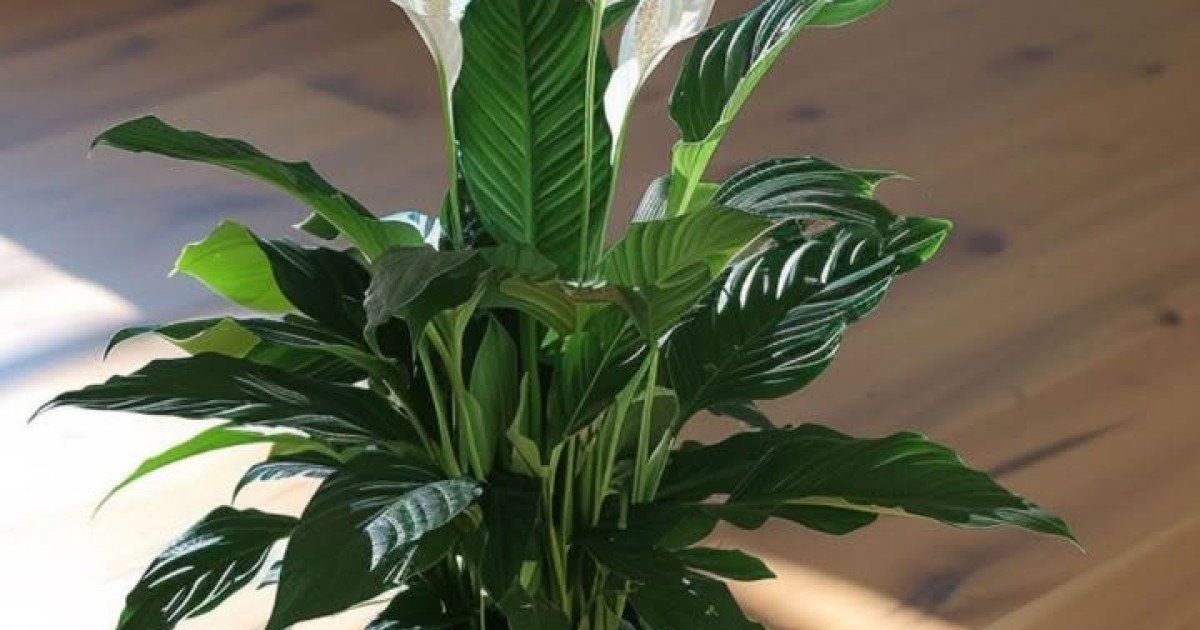
Peace lilies (Spathiphyllum) are among the most popular indoor plants—and for good reason. Their lush green leaves, graceful white blooms, and low-maintenance nature make them a favorite for homes and offices alike.
Here are 11 simple ways to encourage your peace lily to produce more flowers and stay healthy.
1. Give It Bright, Indirect Light
Light is the number one factor affecting blooms.
Ideal locations include:
- Near an east-facing window
- A few feet from a south- or west-facing window
- Behind sheer curtains
Avoid direct afternoon sun, which can scorch the leaves.
2. Water Consistently
A good routine is:
- Water when the top inch (2–3 cm) of soil feels dry.
- Water thoroughly until excess drains from the bottom.
- Empty any standing water from the saucer.
3. Increase Humidity
As tropical plants, peace lilies enjoy humid conditions.
- Using a humidifier
- Grouping plants together
- Placing the pot on a pebble tray filled with water (without the pot sitting directly in the water)
Higher humidity helps keep leaves healthy and supports flowering.
4. Keep Temperatures Stable
Peace lilies grow best between:
Avoid placing them near:
- Air conditioners
- Heating vents
- Cold drafts
- Frequently opened exterior doors
Sudden temperature changes may reduce blooming.
5. Feed During the Growing Season
Use a balanced liquid houseplant fertilizer every 6–8 weeks during spring and summer.
6. Repot When Necessary
A slightly root-bound peace lily often blooms well.
However, if roots completely fill the pot or grow through the drainage holes, it’s time to repot.
Choose a container only 1–2 inches (2–5 cm) larger than the current pot.
7. Remove Old Flowers
Once blooms begin turning green or brown, trim them off near the base of the stem.
Deadheading allows the plant to direct energy toward producing new flowers instead of maintaining old ones.
8. Clean the Leaves
Dust blocks sunlight.
Every few weeks, gently wipe the leaves with a soft damp cloth.
Clean leaves absorb more light and photosynthesize more efficiently.
9. Use Well-Draining Potting Mix
Healthy roots are essential for flowering.
A quality indoor plant mix with ingredients such as:
- Peat moss
- Coco coir
- Perlite
- Bark
helps prevent waterlogging while retaining enough moisture.
10. Watch for Pests
Common pests include:
- Spider mites
- Mealybugs
- Aphids
- Scale insects
Check both sides of the leaves regularly.
Treat infestations promptly with insecticidal soap or neem oil if needed.
11. Be Patient
Many peace lilies sold in stores bloom because commercial growers use plant growth regulators.
After bringing the plant home, it may take several months before it flowers again under normal household conditions.
With consistent care, patience often pays off.
Why Isn’t My Peace Lily Blooming?
Common reasons include:
- Too little light
- Overwatering or underwatering
- Lack of fertilizer
- Pot is too large
- Temperature stress
- Low humidity
- Recently purchased plant adjusting to a new environment
Correcting these issues usually improves the chances of future blooms.
Bonus Tip: Healthy Leaves Mean Healthy Flowers
A thriving peace lily typically has:
- Deep green foliage
- Upright leaves
- Firm stems
- Steady new growth
Strong foliage is often the first sign that flowering will follow.
ADVERTISEMENT
